What Is Pool Coping?
When it comes to building or renovating a swimming pool, one of the most important — yet often overlooked — features is the pool coping. Coping is not just a design choice; it plays a crucial structural and functional role in protecting your pool and creating a polished, finished look.
Whether you’re building a new concrete pool or giving your existing one a modern update, understanding what pool coping is, the materials available, and the different styles will help you make the right choice for both durability and design.
What Is Pool Coping?
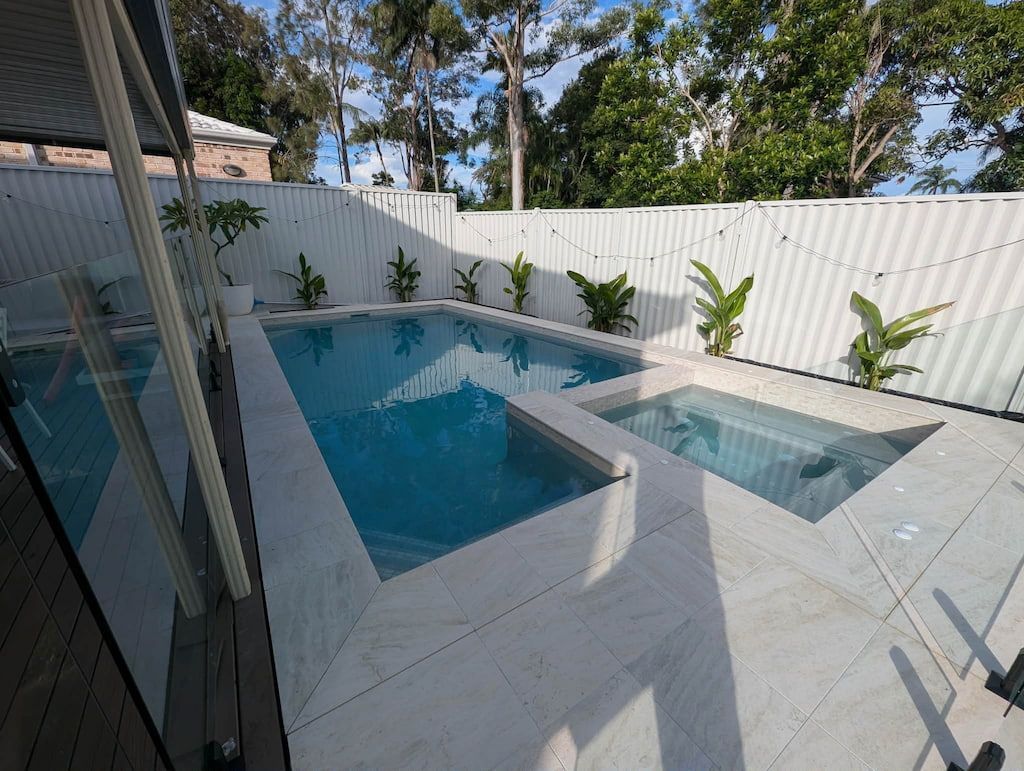
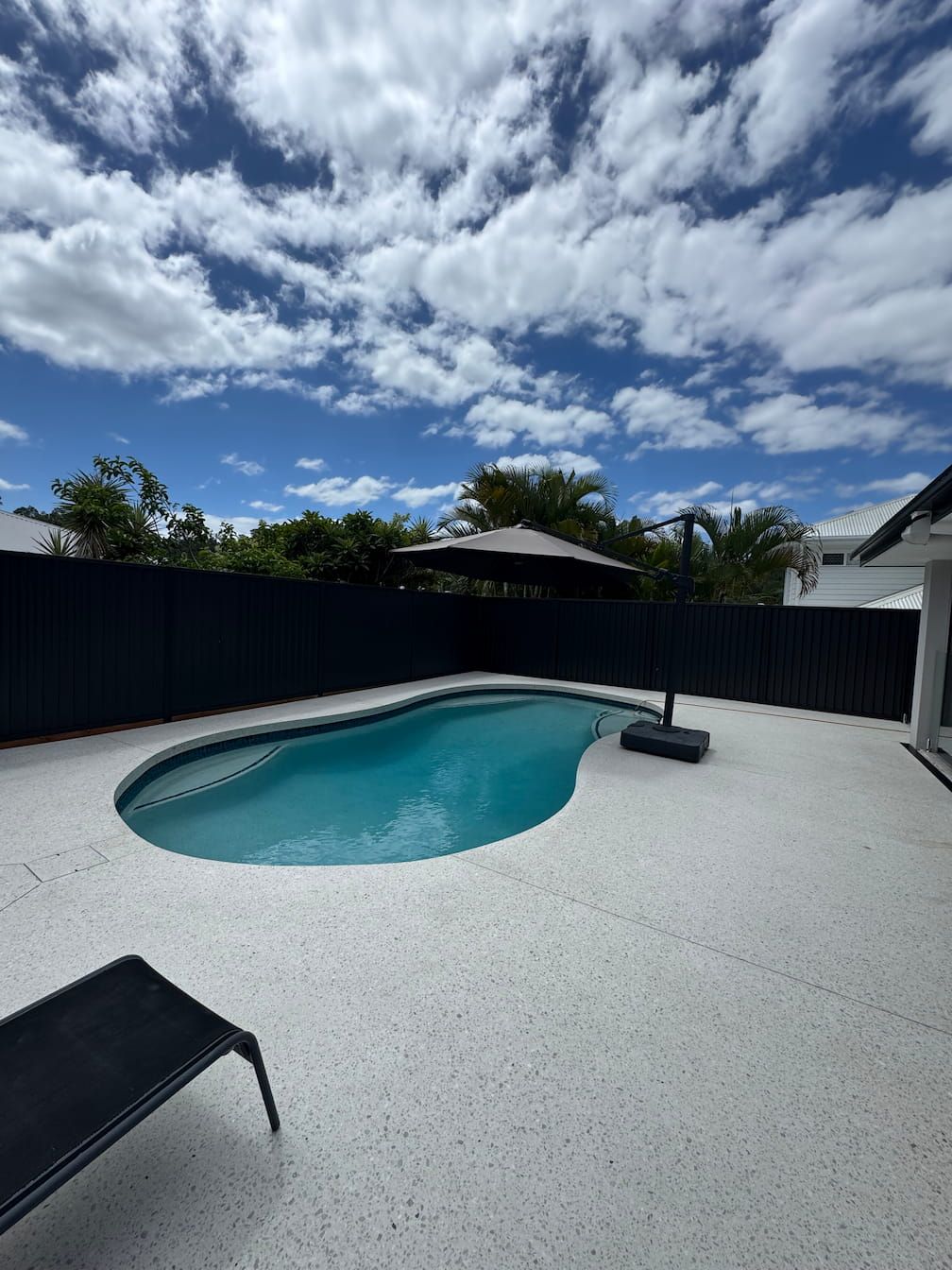
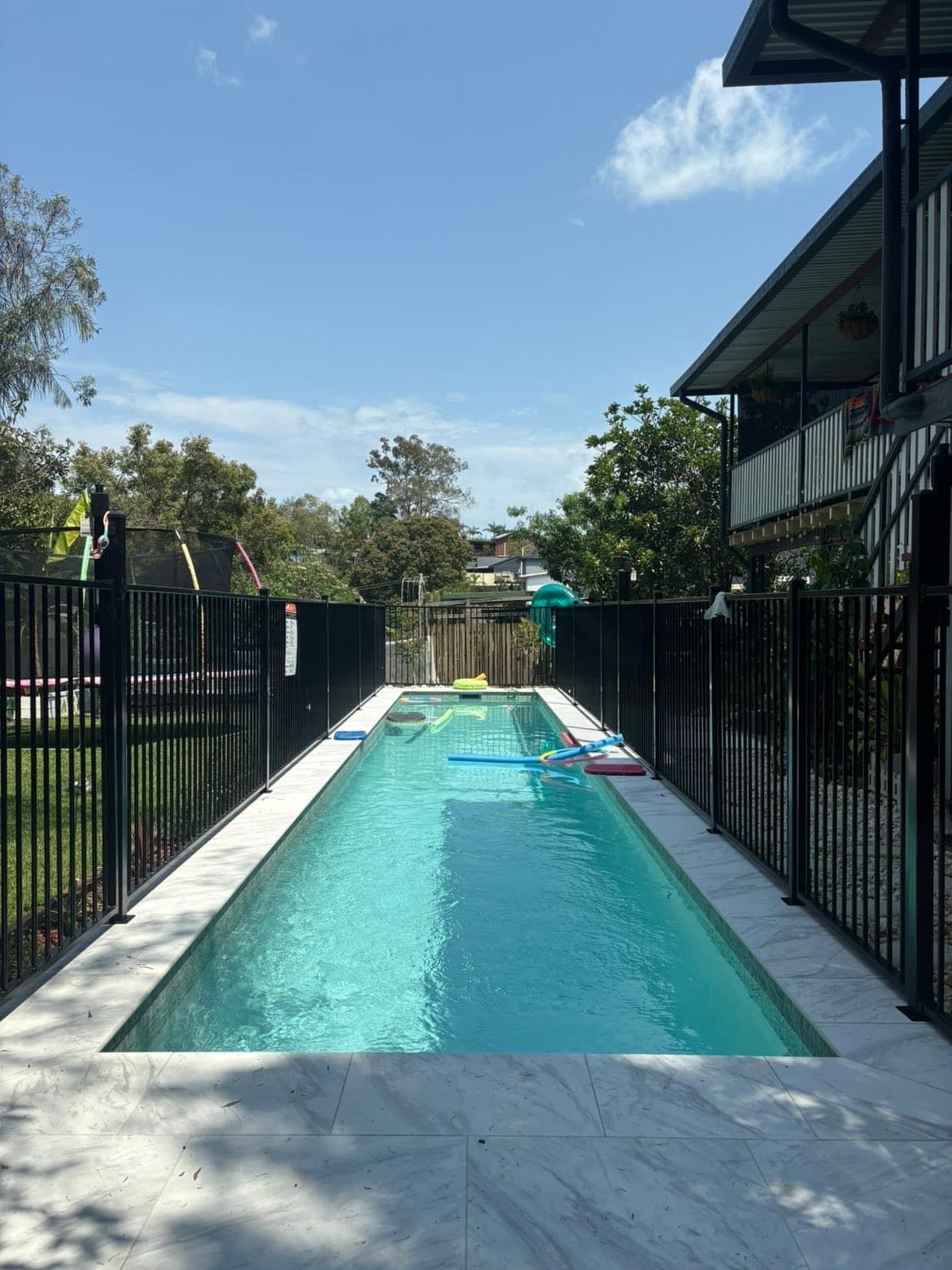
In simple terms, pool coping is the cap or edging that sits around the rim of a swimming pool. It forms the transition between the pool shell and the surrounding surface (like paving, decking, or grass).
In concrete pools, coping is typically made from stone, concrete, or tiles and is placed on top of the pool’s bond beam — the reinforced edge that holds the pool structure together.
The Purpose of Pool Coping
Pool coping serves several important purposes:
- Protects the Pool Shell: It prevents water from seeping behind the pool walls, which could cause damage over time.
- Improves Safety: Coping provides a smooth, slip-resistant edge that makes entering and exiting the pool safer.
- Enhances Appearance: It gives the pool a clean, finished border that frames the water beautifully.
- Comfort and Functionality: A well-designed coping edge is comfortable to sit on and helps swimmers grip the edge of the pool.
Without coping, the edge of a pool would be unfinished, vulnerable to structural damage, and less safe to use.
Materials Used for Pool Coping
The choice of material impacts the appearance, durability, and maintenance of your pool. Here are some of the most popular options used in concrete swimming pools.
1. Concrete Pool Coping
Concrete is one of the most versatile and affordable coping options. It can be poured in place or pre-cast in sections.
- Poured Concrete: Provides a seamless look between the pool and surrounding area, ideal for modern or minimalist designs.
- Pre-cast Concrete: Comes in pre-made sections that are easy to install and available in a range of colours and finishes.
Pros:
- Durable and cost-effective
- Can be coloured, textured, or stamped
- Seamless integration with surrounding surfaces
Cons:
- Requires sealing to prevent stains
- Can crack if not properly installed or maintained
2. Natural Stone Pool Coping
Natural stone is one of the most elegant and long-lasting coping materials available. It’s popular for its beauty, durability, and ability to stay cool underfoot.
Common types include:
- Travertine: Naturally slip-resistant and cool to touch, ideal for sunny climates.
- Sandstone: Offers a warm, natural aesthetic perfect for coastal or tropical designs.
- Granite: Extremely strong and resistant to salt and chlorine.
- Bluestone: Darker in tone, providing a sleek, modern look.
- Limestone: Soft, natural colour with a smooth texture for a classic finish.
Pros:
- Visually appealing and timeless
- Resistant to fading and weathering
- Stays cool even in hot weather
Cons:
- Generally more expensive
- Can require periodic sealing depending on the stone type
3. Brick Pool Coping
Brick coping offers a traditional, classic appearance. It’s often used for older-style homes or retro pool designs.
Pros:
- Durable and cost-effective
- Easy to repair or replace individual bricks
- Works well with brick paving and heritage designs
Cons:
- Can heat up in strong sun
- Requires regular cleaning to prevent discolouration
4. Tile Pool Coping
Ceramic or porcelain tiles can be used as coping, especially in contemporary or resort-style pools. They come in a wide range of colours, finishes, and slip-resistant options.
Pros:
- Highly customisable
- Easy to clean
- Ideal for modern or geometric pool designs
Cons:
- Can chip or crack if impacted
- May become slippery when wet (unless textured or matte-finished)
5. Composite or Manufactured Stone Pool Coping
Composite materials replicate the look of natural stone but are lighter and often more affordable. They’re made from a mix of natural stone, cement, and additives.
Pros:
- Cost-effective
- Uniform in colour and texture
- Easy to install
Cons:
- May not have the same natural feel or variation as real stone
- Can fade over time in harsh sunlight
Different Types of Pool Coping
Beyond materials, there are several styles of pool coping that affect both the look and feel of your pool’s edge. Choosing the right style depends on the pool’s design, how it’s used, and your desired aesthetic.
1. Square Edge Pool Coping
A clean, modern design where the coping sits flush with the pool’s edge. This style is perfect for contemporary homes or pools with geometric lines.
- Offers a minimalist, streamlined look
- Ideal for pairing with large-format pavers
2. Bullnose Pool Coping
This style features a rounded edge, making it comfortable to sit on and touch. Bullnose coping is a popular choice for family pools and traditional designs.
- Smooth, curved edge enhances safety
- Timeless aesthetic that suits most pool shapes
3. Drop-Face Pool Coping
Also known as “rebated edge” coping, this design features a vertical drop from the pool edge, creating the illusion of a thicker, more luxurious border.
- Sleek and sophisticated appearance
- Often used in luxury or architectural pool designs
4. Bevelled Edge Pool Coping
A subtle slope or bevel on the inner edge gives this style a neat, transitional finish between the pool water and surrounding area.
- Works well for both modern and classic styles
- Provides a comfortable edge for swimmers
5. Cantilever Pool Coping
Cantilever coping extends slightly over the pool edge, creating a shadow line effect. It can be cast in concrete or formed with pre-cast pieces.
- Great for concrete pools
- Provides a seamless connection to the surrounding paving or deck
Choosing the Right Pool Coping
When selecting coping, consider the following factors:
Aesthetic
Think about your home’s architectural style and the surrounding landscape. Natural stone suits earthy, organic designs, while concrete or porcelain tiles suit contemporary looks.
Functionality
For pools that see frequent use, choose coping that stays cool, resists slipping, and provides comfort for swimmers leaning or sitting on the edge.
Maintenance
Some materials, like natural stone or concrete, need periodic sealing. If you prefer low maintenance, porcelain or composite coping might be a better fit.
Budget
Costs vary widely — from affordable concrete and brick options to premium natural stones like granite or travertine.
Balancing aesthetics with long-term durability often gives the best value.
Why Pool Coping Matters
Coping might seem like a small detail, but it plays a big role in:
- Protecting your investment: Prevents water damage and extends the life of your pool structure.
- Improving safety: Reduces slips and provides a comfortable edge.
- Enhancing appearance: Frames the pool beautifully, adding to your home’s visual appeal.
Whether you’re designing a brand-new pool or updating an older one, quality coping can completely transform the look and function of your outdoor space.
Conclusion
So, what is pool coping? It’s the crucial finishing touch that combines style, safety, and structural protection for your swimming pool. From natural stone and concrete to sleek tile and brick, the right coping can elevate your pool’s appearance while safeguarding it for years to come.
When chosen carefully, pool coping not only defines the character of your pool area but also ensures durability and comfort for everyone who enjoys it. Whether you prefer a modern square edge, a classic bullnose, or a statement drop-face style, investing in high-quality coping will give your pool the perfect finishing touch. If you're looking to build a Gold Coast swimming pool or renovate one, get in touch with JKO Pool Construction on the Gold Coast.
Written By Blake & Josh
With a combined 16 years of hands-on experience, we pride ourselves on delivering pools built to the highest standard.