How To Maintain A Concrete Swimming Pool
A concrete swimming pool is one of the most durable and attractive additions you can make to your home. Whether you've recently built a new pool or have owned one for years, proper maintenance is essential to protect your investment and keep your pool looking its best.
At JKO Pool Construction, we've built and renovated countless concrete pools across the Gold Coast. One thing we've learned is that many costly pool repairs could have been avoided with regular maintenance and early intervention. While concrete pools are incredibly strong and long-lasting, they do require more attention than some other pool types due to their porous surface.
In this guide, we'll explain how to properly maintain a concrete swimming pool, the most common mistakes homeowners make, and the warning signs that indicate your pool may need professional attention.
Why Concrete Pools Require Special Maintenance
Concrete pools remain one of the most popular pool choices on the Gold Coast because they offer unmatched design flexibility, durability, and a premium finish.
However, unlike fibreglass pools, concrete surfaces are porous. This means they can absorb minerals, algae spores, and contaminants if water chemistry isn't properly maintained.
Without regular care, homeowners can experience:
- Algae growth
- Surface staining
- Calcium build-up
- Rough pool surfaces
- Water quality issues
- Premature surface wear
The good news is that most of these problems are completely preventable with a consistent maintenance routine.
Keep Your Pool Water Balanced
If there's one thing every pool owner should prioritise, it's water chemistry.
Poor water balance is one of the leading causes of pool surface deterioration and expensive repairs.
At JKO Pool Construction, we've seen concrete pool interiors become stained, rough, and discoloured simply because water chemistry was neglected over time.
Recommended Water Levels
For most concrete swimming pools, we recommend maintaining:
- pH: 7.2 – 7.6
- Chlorine: 1.0 – 3.0 ppm
- Total Alkalinity: 80 – 120 ppm
- Calcium Hardness: 200 – 400 ppm
Testing your pool water at least once per week allows you to identify issues before they become expensive problems.
During summer, when pools receive heavier use and experience higher temperatures, more frequent testing may be required.
Why Does My Pool Keep Turning Green?
This is one of the most common questions we receive from Gold Coast homeowners.
In most cases, green water is caused by algae growth.
Algae thrive in:
- Warm temperatures
- Poor circulation
- Low chlorine levels
- Heavy rainfall
- Excess organic matter
The Gold Coast's humid climate creates ideal conditions for algae growth, particularly during summer and after storms.
If your pool keeps turning green despite adding chemicals, there may be an underlying issue with circulation, filtration, or water balance that needs attention.
Brush Your Concrete Pool Weekly
Because concrete surfaces are porous, brushing is an important part of routine maintenance.
Brushing helps remove:
- Algae spores
- Dirt buildup
- Biofilm
- Calcium deposits
We recommend brushing:
- Walls
- Steps
- Corners
- Waterline tiles
- Pool floor
At least once every week.
This simple task significantly reduces the likelihood of algae establishing itself on the pool surface.
Vacuum Your Pool Regularly
Debris sitting on the floor of your pool can lead to staining and water quality issues.
Leaves, dirt, insects, and organic matter all contribute to increased chemical demand and algae growth.
Regular vacuuming removes contaminants before they become a problem.
Automatic pool cleaners can dramatically reduce maintenance time while helping keep your pool cleaner between services.
Run Your Filtration System Properly
Your filtration system is the heart of your swimming pool.
Many homeowners unknowingly run their pumps for too little time, particularly during summer.
As a general guide:
Summer
Run your system for 8-12 hours per day.
Winter
Run your system for 4-8 hours per day.
Proper circulation helps:
- Distribute chemicals evenly
- Remove contaminants
- Improve water clarity
- Reduce algae growth
If your water is consistently cloudy despite balancing chemicals, your filtration system may require servicing or upgrading.
Why Gold Coast Pools Require More Maintenance
The Gold Coast climate creates unique challenges for pool owners.
Compared to many parts of Australia, local pools are exposed to:
High Rainfall
Heavy rain can dilute pool chemicals and alter water balance.
Humidity
Warm, humid conditions encourage algae growth.
Intense UV Exposure
Sunlight breaks down chlorine more quickly, increasing chemical consumption.
Summer Storms
Storms often introduce leaves, dirt, and organic debris that place extra strain on filtration systems.
This is why regular testing and maintenance are particularly important for Gold Coast swimming pools.
Prevent Calcium Build-Up
White chalky deposits around waterlines and pool surfaces are usually caused by calcium scaling.
This is one of the most common issues we see during pool renovations.
Calcium scale develops when:
- Water chemistry is unbalanced
- Calcium hardness is too high
- Evaporation concentrates minerals
If left untreated, calcium deposits can become difficult to remove and may damage surface finishes.
Regular brushing and maintaining proper calcium levels help prevent scaling from developing.
Common Signs Your Pool Is Not Being Maintained Properly
Many pool owners don't realise there is a problem until visible damage appears.
Some warning signs include:
Cloudy Water
Usually indicates poor filtration or chemical imbalance.
Green Water
A common sign of algae growth.
Rough Pool Surfaces
Can indicate calcium build-up or surface deterioration.
Staining
May be caused by metals, organic matter, or poor water chemistry.
Excessive Chemical Usage
If you're constantly adding chemicals, there may be an underlying issue that needs addressing.
Water Loss
A leaking pool can result in significant water loss and should be investigated promptly.
Addressing these issues early often prevents larger and more expensive repairs later.
How Often Should A Concrete Pool Be Resurfaced?
Even with excellent maintenance, every concrete pool surface will eventually wear out.
The lifespan depends on factors such as:
- Water chemistry
- Pool usage
- Surface type
- Environmental conditions
- Maintenance history
As a general guide:
Pebblecrete Finishes
Typically last 15-20 years.
Quartz Finishes
Often last 12-20 years.
Traditional Plaster Finishes
May require resurfacing after 10-15 years.
Signs resurfacing may be required include:
- Rough textures
- Surface staining
- Exposed aggregate
- Peeling finishes
- Persistent algae issues
If your pool is showing these symptoms, resurfacing can dramatically improve its appearance and longevity.
When Should You Renovate A Swimming Pool?
Many homeowners assume they need a completely new pool when problems develop.
In reality, renovation is often a more cost-effective solution.
Common reasons homeowners renovate include:
- Outdated appearance
- Surface deterioration
- Cracked tiles
- Equipment upgrades
- Improved energy efficiency
- Modernising the pool area
A professional renovation can make an ageing pool look brand new while extending its lifespan by many years.
Frequently Asked Questions About Pool Maintenance
How Often Should I Test My Pool Water?
At least once per week, although twice weekly is ideal during summer.
Can I Maintain My Pool Myself?
Yes. Many homeowners successfully maintain their pools themselves. However, professional servicing can help identify problems before they become expensive repairs.
Why Does My Pool Water Keep Going Cloudy?
Cloudy water is typically caused by poor filtration, inadequate circulation, chemical imbalance, or high contaminant levels.
How Often Should I Shock My Pool?
Most pools benefit from shock treatment every two to four weeks, particularly during periods of heavy use.
How Long Do Pool Pumps Last?
Most quality pool pumps last between 8 and 12 years, depending on usage and maintenance.
How Do I Know If My Pool Has A Leak?
Common signs include falling water levels, increased water bills, wet areas around the pool, and difficulty maintaining water levels.
Conclusion
A well-maintained concrete swimming pool can provide decades of enjoyment while enhancing the value and appeal of your property. Regular water testing, proper filtration, routine cleaning, and early intervention when problems arise are the keys to protecting your investment.
At JKO Pool Construction, we've seen first-hand how proper maintenance can extend the life of a concrete pool and prevent costly repairs.
We've also helped countless Gold Coast homeowners renovate ageing pools that were suffering from years of neglected maintenance.
Whether you're maintaining a new pool, considering a renovation, or planning a custom concrete pool build, investing time into proper pool care today will help ensure your pool remains a beautiful feature of your home for many years to come.
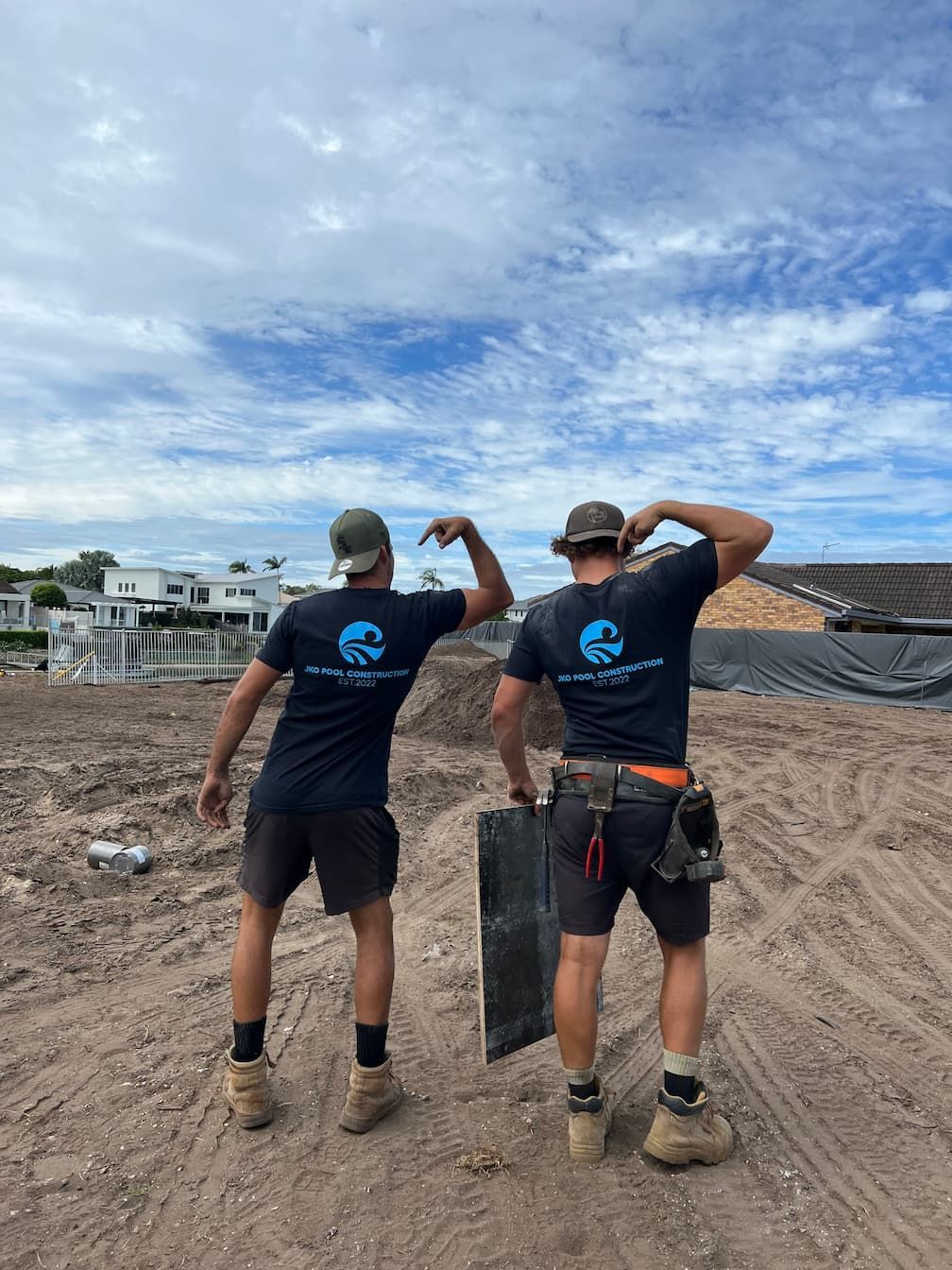
Written By Blake & Josh
With a combined 16 years of hands-on experience, we pride ourselves on delivering pools built to the highest standard.