Different Types Of Swimming Pools
Choosing the right swimming pool for your home is one of the biggest decisions you’ll make when planning an outdoor living space. A pool can transform your backyard into a private retreat, boost your property’s appeal, and create a place for family and friends to relax and entertain.
With so many residential pool types available today, it’s important to understand the differences between each option, how they’re built, their pros and cons, and which style suits your lifestyle, budget, and block size.
In this guide, we’ll walk through the different types of swimming pools for residential homes, along with design considerations, costs, maintenance, and popular features you can add to create a truly custom pool experience.
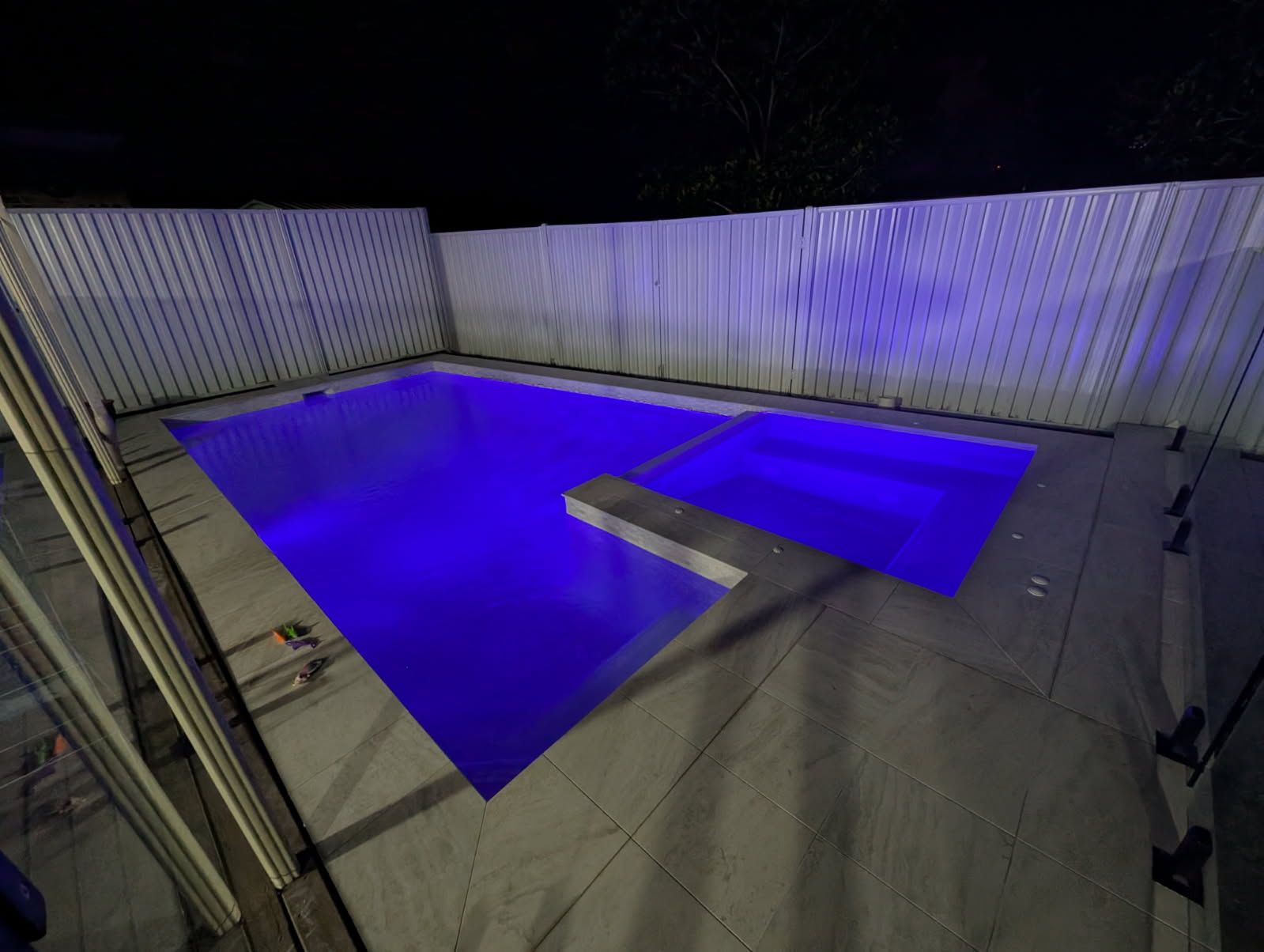
In-Ground Swimming Pools
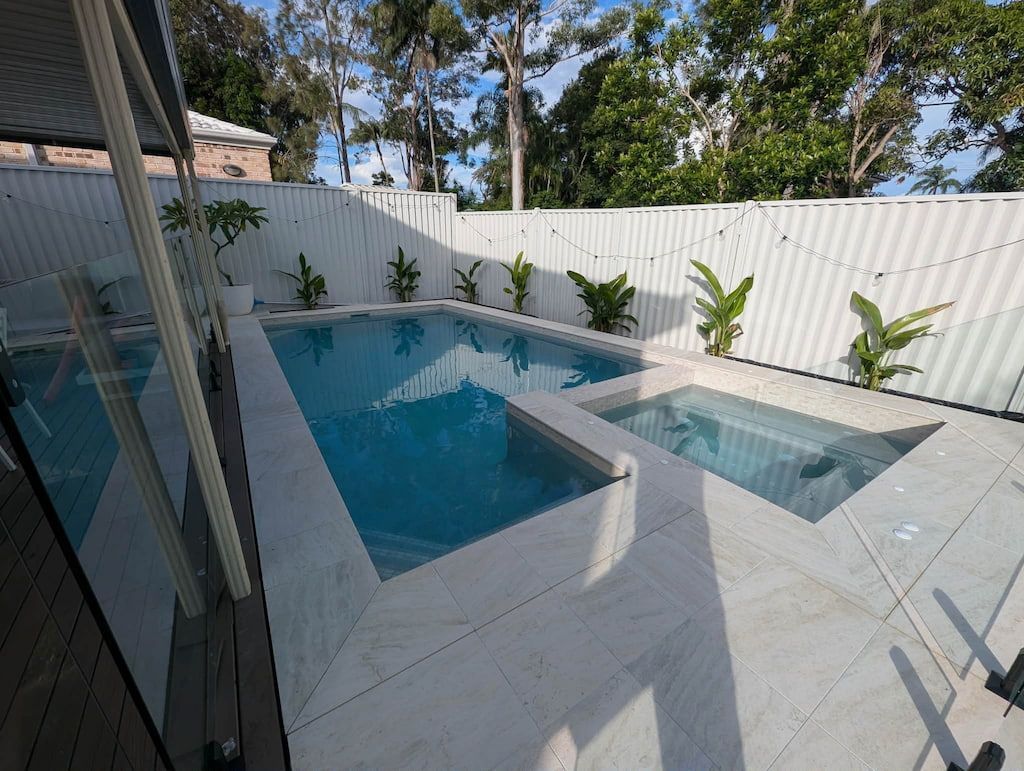
In-ground pools are the most popular choice for homeowners looking for a permanent, high-end swimming pool solution. They are built directly into the ground and can be customised in shape, size, depth, and finish.
Concrete Swimming Pools
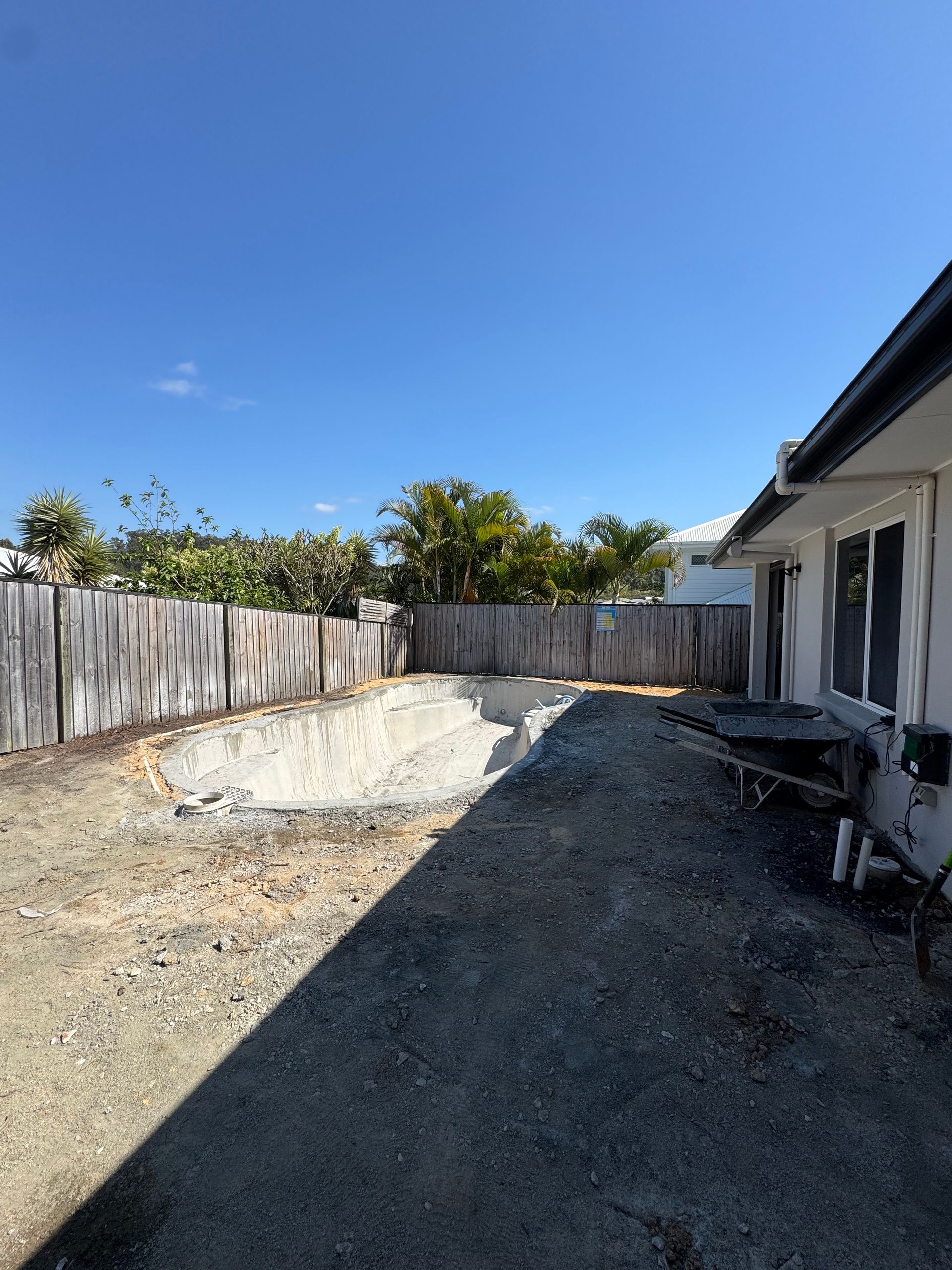
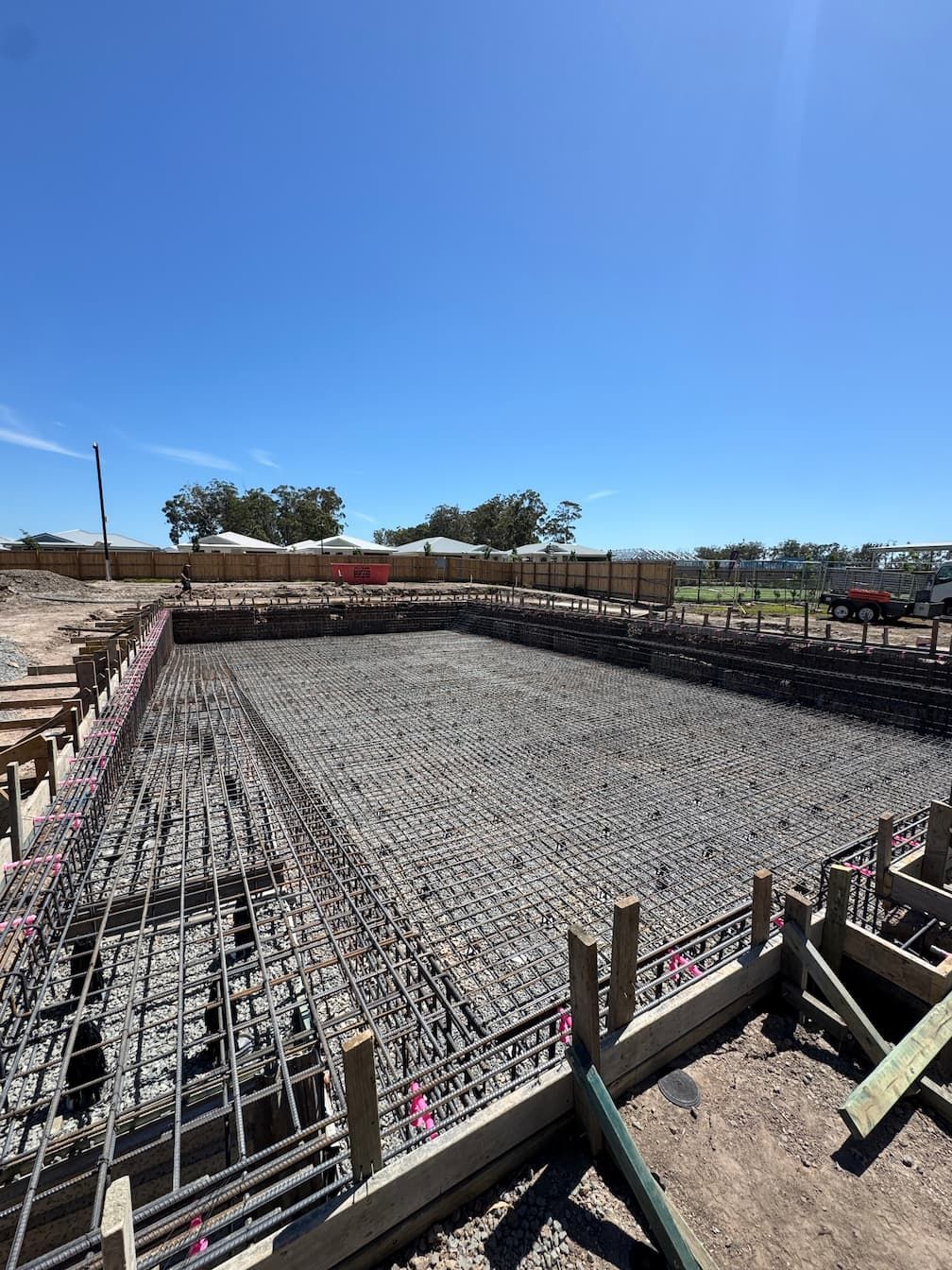
Concrete pools (also known as shotcrete or gunite pools) are one of the most durable and flexible pool types available.
Key benefits of concrete pools:
- Fully customisable shapes and sizes
- Long lifespan when built correctly
- Wide range of finishes (tiles, pebble, render, quartz)
- Ideal for sloping blocks or complex designs
- Can incorporate steps, benches, ledges, and spas
Things to consider:
- Higher upfront cost compared to other pool types
- Longer construction timeframe
- Surface finishes may require resurfacing over time
- Slightly higher maintenance due to porous surfaces
Concrete pools are ideal if you want a custom-designed pool that complements your home’s architecture and landscaping.
Fibreglass Swimming Pools
Fibreglass pools are pre-moulded shells manufactured in a factory and installed on-site.
Key benefits of fibreglass pools:
- Faster installation time
- Smooth, non-porous surface that’s gentle on skin
- Lower maintenance requirements
- Built-in steps and seating options
- Consistent quality from factory manufacturing
Things to consider:
- Limited shape and size options compared to concrete
- Transport restrictions may limit maximum pool size
- Less flexibility for custom designs
- Repairs can be more noticeable if damage occurs
Fibreglass pools are a popular option for homeowners wanting a streamlined build process and predictable costs.
Vinyl Liner Swimming Pools
Vinyl liner pools are less common in Australia but still used in some residential settings.
Key benefits of vinyl liner pools:
- Lower upfront installation cost
- Smooth surface that feels comfortable underfoot
- Liner patterns can be customised
- Relatively quick installation
Things to consider:
- Liners need replacing every 7–12 years
- Less durable than concrete or fibreglass
- Can be damaged by sharp objects
- Limited availability in some regions
Vinyl pools can be a budget-friendly option, but long-term maintenance costs should be factored into your decision.
Above-Ground Swimming Pools
Above-ground pools are built on the surface of your yard rather than excavated into the ground.
Key benefits of above-ground pools:
- Lower upfront cost
- Faster installation
- Suitable for rental properties or temporary setups
- Can be partially recessed into the ground for a semi-in-ground look
- Easier to remove if required
Things to consider:
- Less visually integrated into landscaping
- Typically smaller and shallower
- Lower long-term durability
- May impact resale value differently than in-ground pools
Above-ground pools are ideal for families wanting a functional pool without the cost and commitment of a permanent in-ground installation.
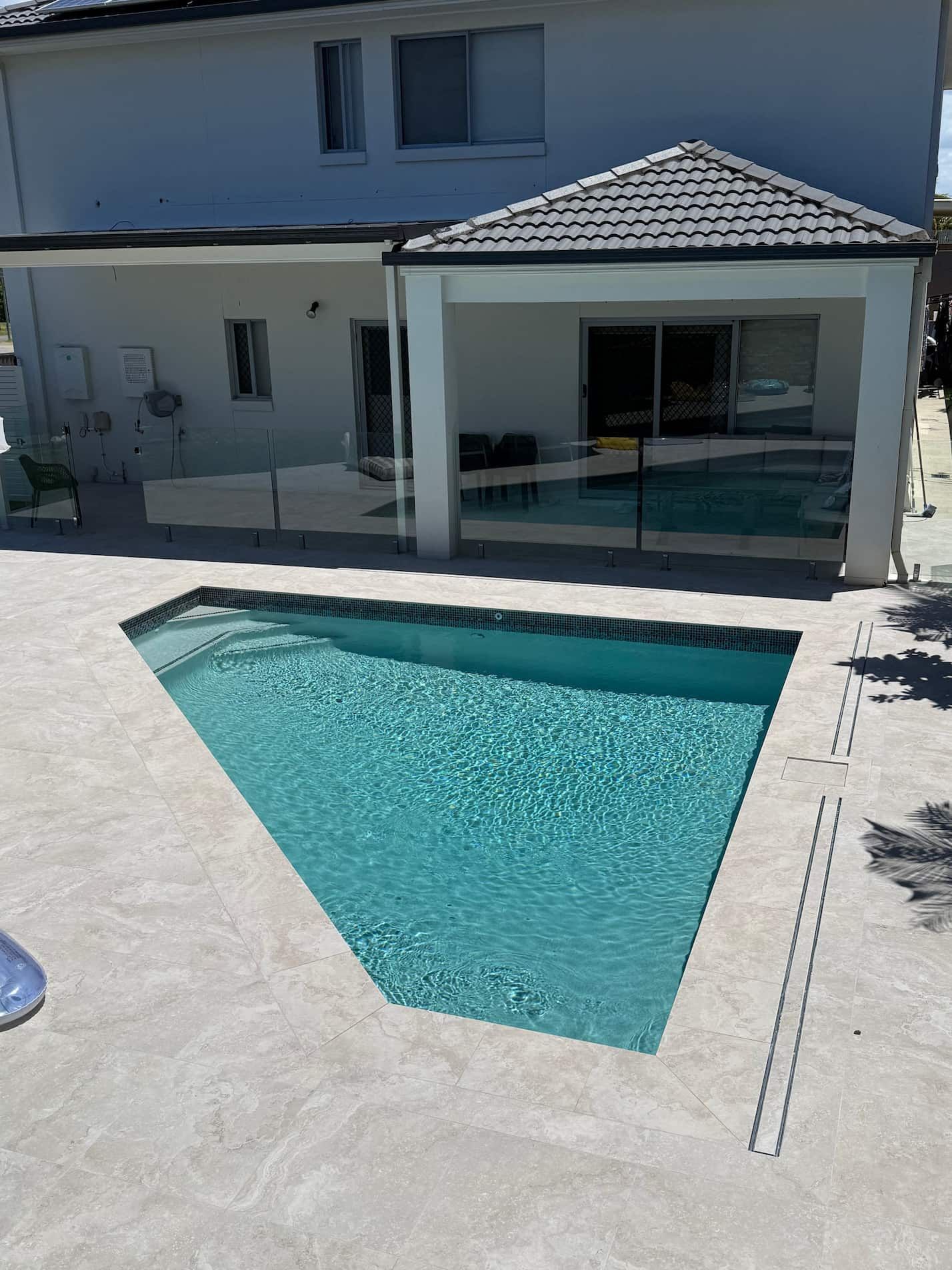
Plunge Pools
Plunge pools are compact pools designed for smaller yards or courtyards. They’re perfect for urban homes or limited outdoor space.
Key benefits of plunge pools:
- Space-efficient
- Lower construction and running costs
- Can include seating ledges and spa-style jets
- Stylish modern aesthetic
- Ideal for cooling off and relaxing
Things to consider:
- Limited swimming space
- Not ideal for laps
- May not suit large families or entertaining
Plunge pools are a great choice if space is tight but you still want the lifestyle benefits of having a pool.
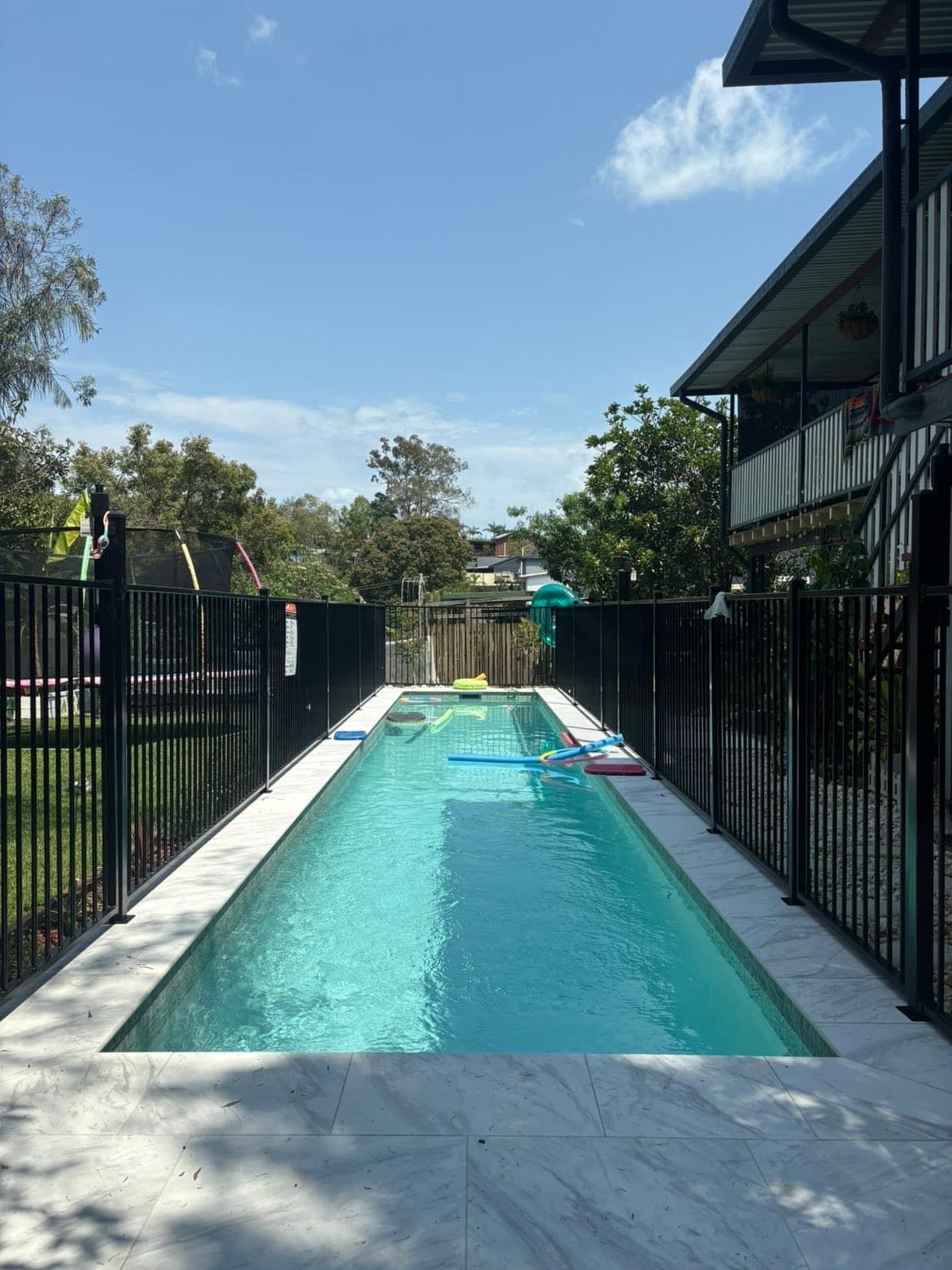
Lap Pools
Lap pools are long and narrow, designed primarily for swimming exercise.
Key benefits of lap pools:
- Perfect for fitness and training
- Fits well into narrow yards
- Sleek, modern design
- Can double as a visual design feature
- Suitable for temperature-controlled swimming
Things to consider:
- Less versatile for social gatherings
- May not suit children as well as larger family pools
- Requires thoughtful placement for safe access
Lap pools are ideal for homeowners who prioritise fitness and daily swimming.
Infinity Edge Pools
Infinity edge pools (also called vanishing edge pools) create a visual effect where water appears to extend endlessly into the horizon.
Key benefits of infinity pools:
- Luxury aesthetic
- Stunning visual impact
- Enhances views on sloping or elevated blocks
- Adds premium appeal to your property
Things to consider:
- Higher build and engineering costs
- More complex construction
- Requires precise design and drainage
- Higher maintenance and water usage
Infinity pools are best suited to homes with views, elevation, or premium landscaping where visual impact is a priority.
Natural Swimming Pools
Natural swimming pools use biological filtration instead of chemicals. They include a swimming zone and a regeneration zone with plants and natural filtration.
Key benefits of natural pools:
- Chemical-free swimming
- Eco-friendly design
- Blends naturally with landscaping
- Unique aesthetic
- Gentle on skin and eyes
Things to consider:
- Larger space required
- Higher upfront design costs
- Requires specialist design and maintenance knowledge
- Water clarity depends on careful ecosystem balance
Natural pools suit homeowners who value sustainability and natural aesthetics over traditional chlorinated pools.
Saltwater Pools vs Chlorine Pools
The pool structure is one decision, but sanitation systems also matter.
Saltwater pools:
- Use salt chlorinators to generate chlorine
- Softer water feel
- Lower chemical handling
- Gentler on skin and eyes
Traditional chlorine pools:
- Lower initial equipment cost
- Simple system
- Easy to control chlorine levels manually
Both options still use chlorine for sanitation, but saltwater systems offer greater comfort and convenience for many homeowners.
Additional Pool Features & Upgrades
Modern residential pools can be customised with a wide range of features that enhance comfort, safety, and visual appeal.
Pool Lighting
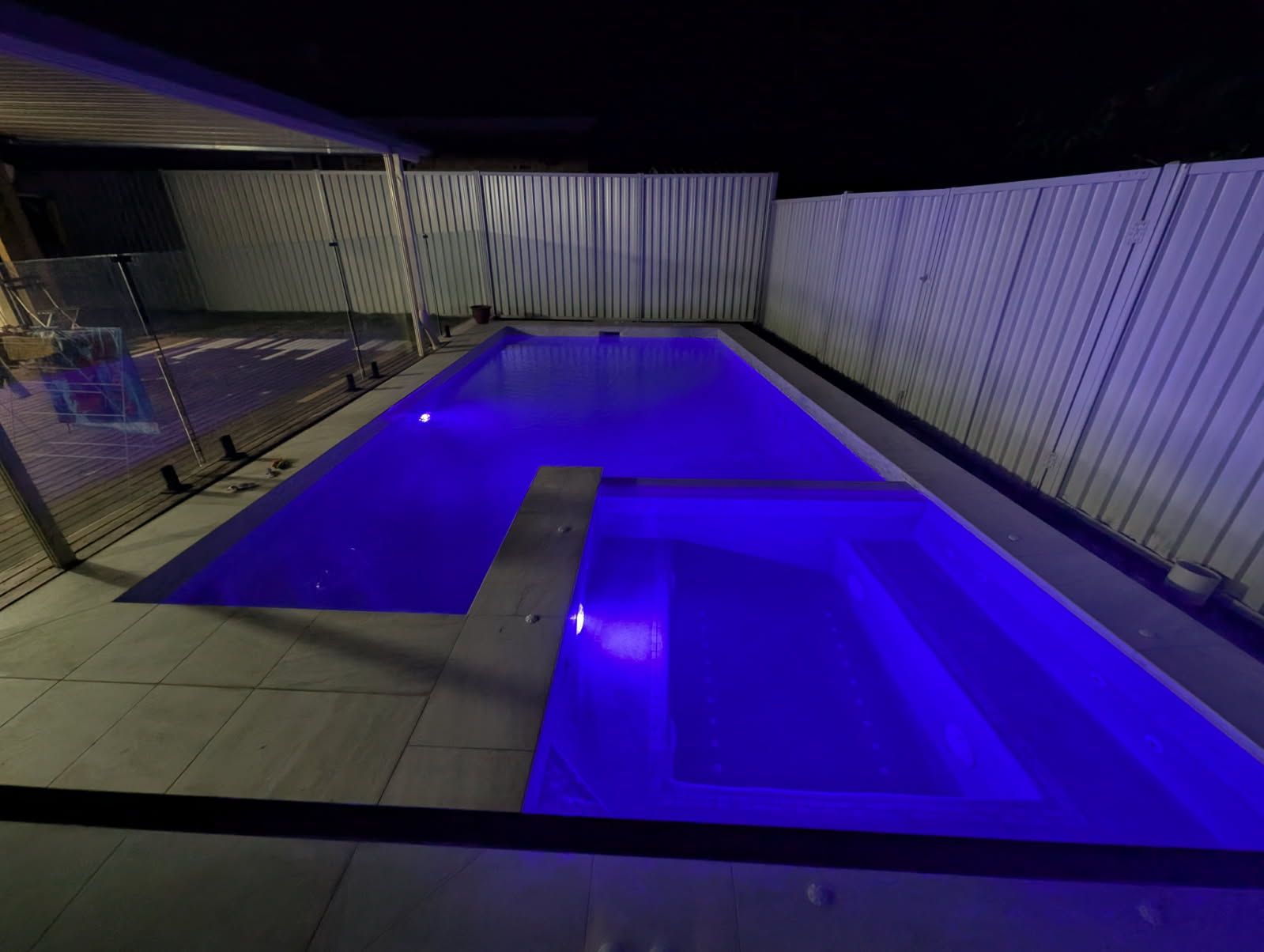
- LED underwater lights for night swimming
- Colour-changing lights for ambience
- Step and ledge lighting for safety
- Perimeter lighting for landscaping impact
Lighting transforms your pool into a stunning night-time feature and improves safety after dark.
Jets & Hydrotherapy Features
- Spa jets for relaxation
- Massage jets for muscle recovery
- Resistance jets for swim training
- Air bubble features for spa-style comfort
Jets add a luxury, resort-style feel to residential pools and can turn part of your pool into a therapeutic zone.
Heating Systems
- Electric heat pumps
- Gas heaters
- Solar heating
Heating extends your swimming season and makes your pool more enjoyable year-round.
Pool Automation
- App-controlled filtration and heating
- Automated cleaning cycles
- Smart lighting controls
- Remote water temperature management
Automation simplifies maintenance and lets you control your pool from your phone.
Water Features
- Waterfalls
- Sheer descent features
- Deck jets
- Bubblers
Water features enhance visual appeal and create relaxing soundscapes.
Pool Covers & Safety Features
- Automatic covers
- Manual covers
- Safety fencing
- Pool alarms
Safety features help protect children and pets while also reducing evaporation and heat loss.
Maintenance Considerations For Different Pool Types
Each pool type has unique maintenance needs:
- Concrete pools: Require brushing and resurfacing over time
- Fibreglass pools: Easier cleaning, fewer algae issues
- Vinyl pools: Liner replacement every decade or so
- Natural pools: Ongoing plant and ecosystem care
- Above-ground pools: More frequent component replacement
Understanding long-term maintenance helps avoid unexpected costs later.
How To Choose The Right Pool For Your Home
When selecting a residential swimming pool, consider:
- Available space
- Budget and long-term running costs
- How you plan to use the pool
- Local council regulations
- Soil type and block slope
- Maintenance preferences
- Whether you want heating or automation
- Visual integration with your home
A professional pool builder can help you assess your site and recommend the most suitable option for your lifestyle and budget.
Finding The Best Pool For Your Lifestyle
There’s no one-size-fits-all solution when it comes to residential swimming pools. Whether you prefer the flexibility of concrete pools, the convenience of fibreglass, the simplicity of plunge pools, or the luxury of infinity edges, the right choice depends on your space, budget, and how you want to use your pool.
Taking the time to understand your options ensures you’ll enjoy your pool for years to come. With the right design, features, and professional installation, your swimming pool can become the centrepiece of your outdoor living area and a place your family will love year-round.
If you're looking to build a new pool on the Gold Coast, get in touch with JKO Pool Construction.
Written By Blake & Josh
With a combined 16 years of hands-on experience, we pride ourselves on delivering pools built to the highest standard.