Pools On Sloping Blocks: Is It Possible?
Building a pool on a sloping block might seem challenging, but it’s absolutely possible—and in many cases, it can lead to some of the most visually impressive pool designs. While flat blocks are often considered easier, sloping sites offer unique opportunities to create elevated, multi-level, or infinity-edge pools that stand out.
If your property isn’t perfectly level, don’t worry. With the right design, engineering, and construction approach, you can still achieve a high-quality pool that suits your space and lifestyle.
In this guide, we’ll explore how pools on sloping blocks work, the challenges involved, and the best solutions to make it happen.
Can You Build a Pool on a Sloping Block?
Yes, you can absolutely build a pool on a sloping block.
In fact, many modern pool designs are specifically created to work with natural gradients rather than against them. Instead of trying to completely level the land, experienced pool builders often incorporate the slope into the design.
This approach can result in:
- Elevated pool areas
- Split-level outdoor spaces
- Infinity or negative-edge pools
- Improved drainage and flow
The key is proper planning and working with professionals who understand how to design for sloped terrain.
What Makes Sloping Blocks More Challenging?
While it’s possible, building a pool on a slope does come with additional considerations.
Excavation Complexity
Digging into a slope requires more planning and specialised equipment. Soil conditions and stability must be carefully assessed.
Structural Support
Retaining walls or reinforced structures are often needed to support the pool and surrounding areas.
Drainage
Managing water flow is critical. Poor drainage can lead to erosion or structural issues over time.
Access Limitations
Sloping blocks can make it harder to bring in machinery and materials, which can impact construction time.
Higher Costs
Due to the extra engineering and labour involved, pools on sloping blocks are typically more expensive than those on flat land.
Despite these challenges, the end result is often worth the investment.
Best Pool Designs for Sloping Blocks
One of the biggest advantages of a sloping block is the opportunity for creative and unique pool designs.
Infinity Edge Pools
Infinity pools are one of the most popular choices for sloping sites.
These pools create a visual effect where water appears to flow over the edge, blending into the horizon. They work particularly well on elevated blocks with scenic views.
Benefits include:
- Stunning visual appeal
- Seamless integration with the landscape
- Increased property value
Elevated Pools
Elevated or raised pools are built above ground level, supported by structural elements.
These are ideal when:
- The slope is too steep for full excavation
- You want to create a feature area
- You’re designing a multi-level outdoor space
They can also double as retaining structures.
Split-Level Pool Designs
Split-level designs make use of different elevations across your property.
This can include:
- A pool on one level
- Entertaining areas on another
- Steps or terraces connecting the spaces
This approach works with the natural slope instead of flattening it.
Partially In-Ground Pools
These pools are built partially into the slope and partially above ground.
They offer a balance between:
- Reduced excavation costs
- Structural stability
- Flexible design options
The Construction Process for Sloping Blocks
Building a pool on a slope follows a similar process to flat sites but with additional steps.
1. Site Assessment and Design
The first step is evaluating your block.
This includes:
- Measuring the slope gradient
- Testing soil conditions
- Assessing drainage
- Reviewing access points
A custom design is then created to suit the site.
2. Engineering and Approvals
Due to the structural requirements, engineering plays a major role.
Plans may include:
- Retaining walls
- Reinforced pool shells
- Drainage systems
Council approvals are also required, especially for complex builds.
3. Excavation
Excavation on a slope is more involved than on flat land.
It may require:
- Stepped excavation
- Temporary supports
- Careful soil management
This stage lays the foundation for the entire project.
4. Structural Work
Structural elements are installed to support the pool.
This can include:
- Retaining walls
- Reinforced concrete shells (shotcrete)
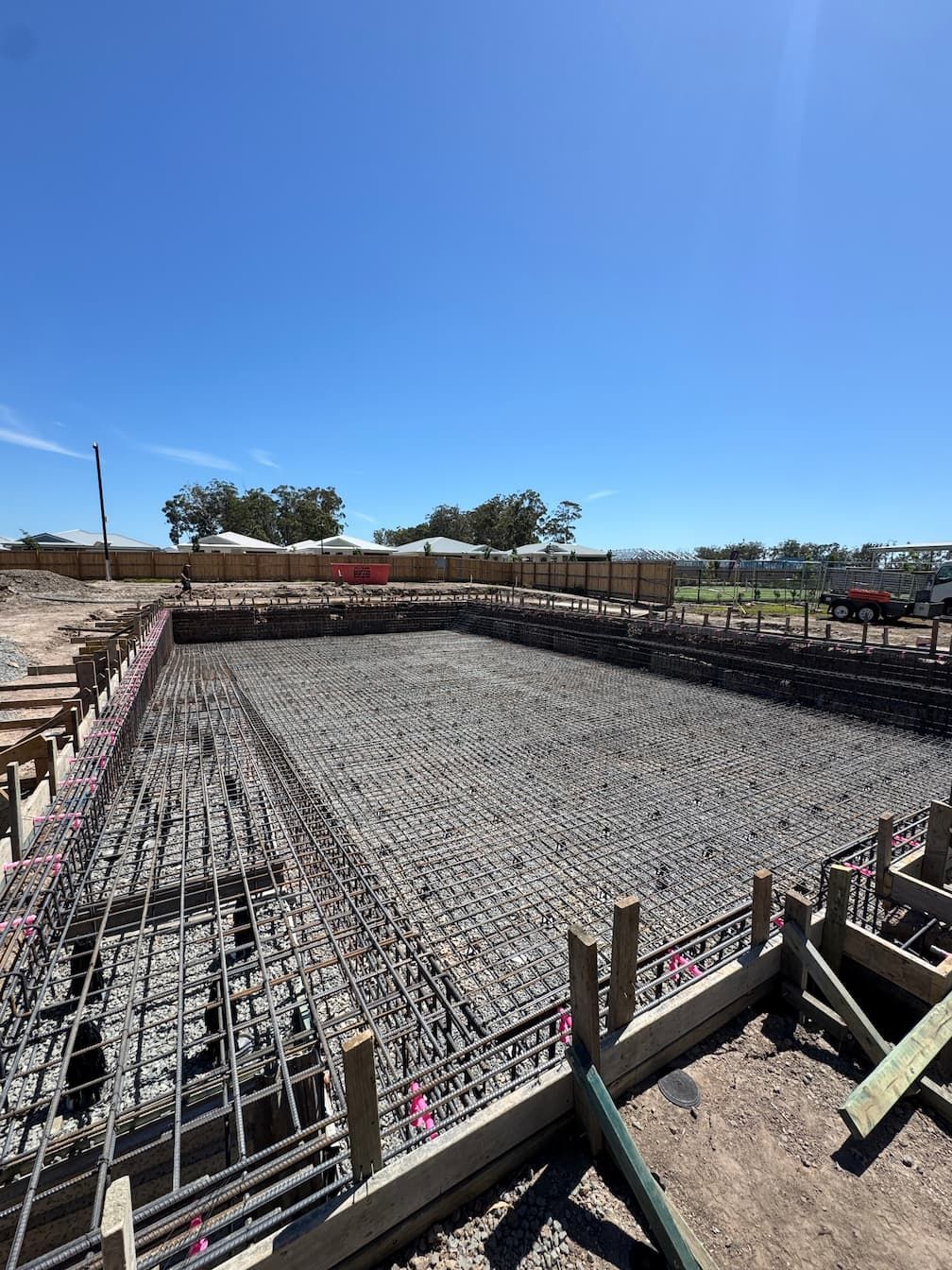
- Steel reinforcements
This ensures the pool remains stable over time.
5. Plumbing and Drainage
Proper drainage is critical on sloping sites.
Systems are installed to:
- Redirect water away from the pool
- Prevent erosion
- Manage overflow
6. Finishing and Landscaping
Once the pool is built, the surrounding area is completed.
This may include:
- Decking or paving
- Landscaping
- Fencing and safety features
Landscaping helps tie the entire space together.
How Much Does It Cost to Build a Pool on a Sloping Block?
Costs vary depending on the complexity of the project.
Generally, you can expect:
- Higher excavation costs
- Additional engineering requirements
- Increased labour and materials
While a standard pool may cost less on flat land, a sloping block project can add anywhere from 10% to 30% or more depending on the design.
However, the added visual appeal and functionality often justify the investment.
Benefits of Building a Pool on a Sloping Block
Despite the challenges, there are many advantages.
Unique Design Opportunities
Sloping blocks allow for creative designs that simply aren’t possible on flat land.
Better Views
Elevated pools can maximise views, making them perfect for coastal or hinterland properties.
Improved Drainage
A natural slope can assist with water flow and reduce pooling around your property.
Increased Property Value
Well-designed pools on sloping blocks often stand out, adding significant value to your home.
Common Mistakes to Avoid
To ensure your project runs smoothly, avoid these common mistakes:
Ignoring Proper Drainage
Poor drainage can lead to serious structural issues over time.
Choosing the Wrong Design
Not all pool designs suit sloping blocks—customisation is key.
Cutting Corners on Engineering
Structural integrity is critical. Always invest in proper engineering.
Hiring Inexperienced Builders
Sloping block projects require specialised knowledge and experience.
Tips for Building a Pool on a Sloping Block
Here are some practical tips to help you get the best result:
- Work with experienced pool builders
- Embrace the slope rather than fighting it
- Plan for proper drainage from the start
- Consider long-term maintenance
- Invest in high-quality materials
Taking the time to plan properly will lead to a better outcome.
Is It Worth Building a Pool on a Sloping Block?
In most cases, yes—it’s absolutely worth it.
While the upfront cost and complexity may be higher, the end result is often a more functional and visually impressive outdoor space.
A well-designed pool on a sloping block can transform your backyard into a standout feature, offering both lifestyle benefits and increased property value.
Final Thoughts
So, is it possible to build a pool on a sloping block? Absolutely.
With the right design, engineering, and construction approach, sloping sites can become the foundation for some of the most unique and high-quality pool installations.
While there are additional challenges to consider, working with experienced professionals ensures your pool is built safely, efficiently, and to a high standard.
If you’re considering building a pool on your sloping block, the best first step is to have your site assessed and explore design options tailored to your property.
Written By Blake & Josh
With a combined 16 years of hands-on experience, we pride ourselves on delivering pools built to the highest standard.