Different Swimming Pool Finishes
Choosing the right finish for your swimming pool is one of the most important design decisions you’ll make during the construction process. The pool finish not only affects how your pool looks but also how it feels underfoot, how easy it is to maintain, and how long it will last.
Pool finishes are the interior surface applied over the concrete shell of a pool. They give the pool its colour, texture, and final appearance while protecting the structure underneath. Today, homeowners can choose from several finishes, each offering different aesthetics, durability, and maintenance requirements.
If you’re planning a custom concrete pool, understanding the different swimming pool finishes will help you select the option that suits your design style, budget, and long-term expectations.
What Is A Swimming Pool Finish?
A swimming pool finish is the final interior coating applied to the inside of a concrete pool. This layer seals the pool structure and creates the smooth, waterproof surface that swimmers see and feel.
Pool finishes come in a range of materials including plaster, quartz, pebble, tile, and modern glass bead blends. Each material produces a unique colour, texture, and level of durability.
Aside from aesthetics, the finish also impacts:
- Water colour and clarity
- Comfort underfoot
- Resistance to stains and chemicals
- Lifespan of the pool interior
- Maintenance requirements
The right finish can transform a simple backyard pool into a luxury feature that complements your outdoor space.
Plaster Pool Finishes
Plaster is the traditional and most commonly used pool finish. It is made from a mixture of cement, water, and fine aggregates such as marble dust or silica sand.
This finish is known for its smooth feel and classic appearance. Many pools feature white plaster, which gives the water a bright blue look, but coloured plaster options are also available.
Benefits of plaster finishes
- Smooth surface that feels comfortable to swim in
- Classic pool appearance
- Lower initial cost compared to other finishes
- Wide range of colour options
Considerations
Plaster is more prone to staining, scaling, and surface wear over time. It usually requires resurfacing every 7–10 years depending on maintenance and water chemistry.
While plaster remains popular due to its affordability, many modern pool owners now choose upgraded finishes that offer greater durability.
Quartz Pool Finishes
Quartz pool finishes are an upgraded version of plaster that incorporate crushed quartz aggregate into the mix. The addition of quartz creates a stronger and more durable surface while also adding visual sparkle.
Quartz finishes are known for their balanced combination of durability, comfort, and aesthetics.
Benefits of quartz finishes
- More durable than standard plaster
- Resistant to chemical damage and staining
- Smooth texture with subtle sparkle
- Wide variety of colours available
Quartz finishes typically last around 10–15 years when properly maintained, making them a longer-lasting alternative to traditional plaster.
Because quartz particles reflect light, these finishes often create vibrant water colours ranging from bright blue to deep lagoon tones.
Pebble Pool Finishes
Pebble finishes are considered one of the most durable and visually striking pool surfaces available. This finish uses natural river pebbles embedded into a cement base, creating a textured and highly resilient surface.
Pebble finishes are often chosen for luxury pools because of their natural appearance and long lifespan.
Benefits of pebble finishes
- Extremely durable surface
- Natural stone appearance
- Resistant to chemicals and wear
- Wide range of colour combinations
Pebble finishes can last 20 years or more with proper maintenance, making them one of the longest-lasting pool surfaces available.
The textured surface also provides additional grip, which can make it a safer option for pool steps, benches, and shallow areas.
However, some swimmers may find the texture slightly rougher compared to plaster or quartz finishes.
Tile Pool Finishes
Tile finishes are the premium option for swimming pools. Instead of applying a plaster-based coating, the entire pool interior is lined with tiles such as ceramic, porcelain, or glass.
This finish creates a luxurious look and offers exceptional durability.
Benefits of tile finishes
- Extremely long lifespan
- Resistant to staining and chemical damage
- Easy to clean and maintain
- Endless design possibilities
Tile finishes can last decades and often last the lifetime of the pool when properly installed.
Glass tiles are especially popular for modern luxury pools because they reflect sunlight and create shimmering water effects.
The main downside is cost. Fully tiled pools are usually the most expensive option due to the materials and installation required.
Glass Bead And Aggregate Finishes
Modern pool designs sometimes use specialty finishes such as glass bead or exposed aggregate blends. These finishes combine cement with decorative materials like glass beads, quartz crystals, or polished stones.
These materials create a visually dynamic surface that sparkles underwater.
Benefits of glass bead and aggregate finishes
- Unique shimmering appearance
- Highly durable surface
- Enhanced colour depth in pool water
- Suitable for modern architectural pool designs
Aggregate finishes are known for lasting 15–20 years while offering greater resistance to wear compared to basic plaster finishes.
Because these finishes reflect light differently throughout the day, they can create stunning visual effects in outdoor pools.
Choosing The Right Pool Finish
When selecting the finish for your swimming pool, it’s important to consider more than just appearance. The best finish will depend on several factors including your budget, desired maintenance level, and the style of your outdoor space.
Here are some things to think about when choosing a pool finish:
Budget
Plaster is the most affordable option, while pebble and tile finishes are typically more expensive.
Durability
Pebble and tile finishes tend to last the longest, while plaster may need resurfacing sooner.
Texture
Some people prefer a smooth pool surface, while others like the natural feel of textured finishes.
Maintenance
Tile finishes generally require the least maintenance, while plaster requires more careful water chemistry management.
Design style
Different finishes create different water colours and visual effects, which can dramatically change the look of your pool.
A professional pool builder can help you compare options and select the finish that best suits your design and lifestyle.
The Importance Of A High-Quality Pool Finish
A pool finish does much more than make your pool look good. It also protects the underlying structure and plays a major role in the overall longevity of the pool.
A poorly installed or low-quality finish can lead to issues such as:
- Surface staining
- Rough or uneven textures
- Premature deterioration
- Higher maintenance costs
Choosing a reputable pool builder ensures your finish is installed correctly and will stand the test of time.
Conclusion
The finish you choose for your swimming pool will influence its appearance, durability, and maintenance for many years to come. From traditional plaster and sparkling quartz to natural pebble and luxurious tile, each option offers unique benefits.
Understanding the differences between swimming pool finishes helps homeowners make confident decisions when designing their dream pool.
If you’re planning a custom swimming pool, working with experienced pool builders ensures you receive expert advice on the best finish for your project. With the right materials and professional installation, your pool can become a beautiful centrepiece of your outdoor living space.
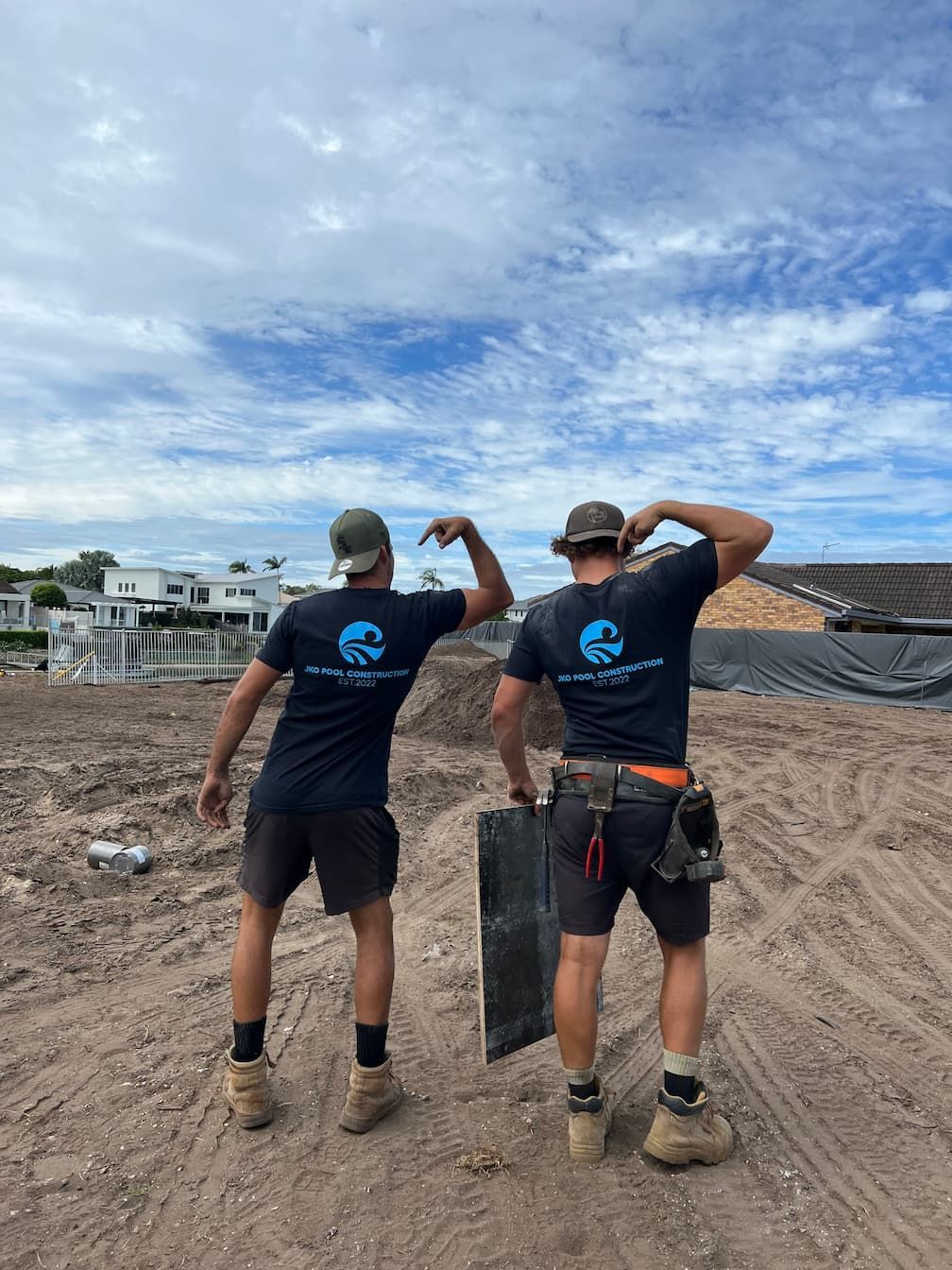
Written By Blake & Josh
With a combined 16 years of hands-on experience, we pride ourselves on delivering pools built to the highest standard.