
Pool Maintenance In Winter
Many Gold Coast homeowners assume they can forget about their swimming pool during winter. After all, when the weather cools down and the pool isn't being used as often, maintenance can seem less important.
Unfortunately, this is one of the biggest mistakes pool owners make.
While winter pool maintenance is generally less demanding than summer maintenance, neglecting your pool during the cooler months can lead to algae growth, water quality issues, equipment damage, and expensive repairs when swimming season returns.
At JKO Pool Construction, we've built and renovated countless swimming pools across the Gold Coast, and one thing we often see is preventable damage caused by poor winter maintenance. The good news is that keeping your pool healthy throughout winter doesn't require a huge amount of work. A few simple steps can help protect your investment and ensure your pool is ready to enjoy when temperatures start rising again.
Do You Need To Maintain A Pool During Winter?
Absolutely.
Although pool usage drops significantly during winter, your pool water still requires circulation, filtration, and chemical balancing.
Many homeowners mistakenly stop testing the water or switch off their pool equipment entirely, believing this will save money. In reality, allowing the water chemistry to become unbalanced can create much bigger problems that are far more expensive to fix.
The goal of winter pool maintenance is simple: keep your pool clean, balanced, and healthy while reducing unnecessary running costs.
Why Winter Pool Maintenance Is Different On The Gold Coast
Compared to southern parts of Australia, Gold Coast winters are relatively mild.
Daytime temperatures often remain comfortable, and water temperatures can still support algae growth, particularly during warmer periods.
Gold Coast pools also face unique challenges throughout winter, including:
- Warm sunny days between cold fronts
- Subtropical humidity
- Rainfall events
- Leaf and debris accumulation
- Fluctuating water temperatures
These conditions mean that pools on the Gold Coast generally require more attention during winter than pools located in cooler climates.
Continue Testing Your Pool Water
One of the most important winter maintenance tasks is regular water testing.
Although chlorine demand decreases during cooler weather, your water chemistry can still become unbalanced.
We recommend testing:
- pH levels
- Chlorine levels
- Total alkalinity
- Calcium hardness
At least once every one to two weeks throughout winter.
Maintaining balanced water chemistry helps protect your pool surface, equipment, and plumbing while preventing algae from establishing itself.
Recommended Water Levels
For most concrete swimming pools, aim for:
- pH: 7.2–7.6
- Chlorine: 1.0–3.0 ppm
- Total Alkalinity: 80–120 ppm
- Calcium Hardness: 200–400 ppm
Maintaining these levels consistently throughout winter makes reopening your pool in spring much easier.
Should You Run Your Pool Pump In Winter?
Yes.
Your filtration system should continue operating throughout winter, although it doesn't need to run as long as it does during summer.
Most Gold Coast pools can reduce filtration time to around:
4–6 Hours Per Day
This is usually sufficient to:
- Maintain water circulation
- Prevent stagnation
- Distribute chemicals
- Keep the water clean
Running your pump during daylight hours often provides the best results and can improve energy efficiency.
If you're unsure about the ideal run time for your specific pool, a pool professional can provide tailored advice based on your equipment and pool size.
Remove Leaves And Debris Regularly
Winter often brings increased leaf drop from surrounding trees.
Even if you're not swimming, it's important to continue removing debris from the pool.
Leaves left sitting in the water can:
- Stain pool surfaces
- Increase phosphate levels
- Promote algae growth
- Place extra strain on your filtration system
Skimming the surface once or twice per week and emptying skimmer baskets regularly helps maintain water quality and reduces maintenance costs.
Brush Your Pool Walls And Floor
One common misconception is that brushing is only necessary during summer.
Concrete pools should continue to be brushed throughout winter.
Brushing helps remove:
- Dirt build-up
- Early algae growth
- Calcium deposits
- Organic contaminants
At JKO Pool Construction, we often see algae begin developing in corners, steps, and shaded areas during winter because these sections receive less attention.
A quick brush every week or two can help prevent larger issues from developing.
Watch Out For Algae Growth
Many homeowners associate algae problems with summer, but winter algae outbreaks are surprisingly common on the Gold Coast.
This often occurs because pool owners:
- Reduce chlorine levels too much
- Stop running filtration systems
- Neglect cleaning routines
Green algae can quickly take hold if water chemistry becomes unbalanced.
Signs of early algae growth include:
- Green patches on walls
- Slippery surfaces
- Cloudy water
- Increased chlorine demand
Addressing algae early is far easier than treating a fully established bloom.
Should You Shock Your Pool During Winter?
Yes, but less frequently.
Most Gold Coast pools benefit from shock treatment every four to six weeks throughout winter.
Shock treatments help:
- Eliminate bacteria
- Destroy contaminants
- Remove chloramines
- Improve water clarity
If your pool experiences heavy rainfall or a noticeable increase in debris, additional shock treatments may be beneficial.
Protect Your Pool After Heavy Rain
Winter rainfall can significantly impact your pool water chemistry.
Heavy rain can:
- Dilute chlorine levels
- Alter pH balance
- Introduce contaminants
- Increase algae risk
After significant rainfall, we recommend:
- Testing the water
- Adjusting chemical levels
- Emptying skimmer baskets
- Removing debris
- Inspecting filtration equipment
Many Gold Coast homeowners experience water quality issues simply because they don't retest their pool after major weather events.
Consider Using A Pool Cover
A quality pool cover can provide several benefits during winter.
Pool covers help:
- Reduce evaporation
- Minimise debris accumulation
- Improve energy efficiency
- Reduce chemical consumption
- Maintain water temperature
For heated pools, a pool cover can significantly reduce heat loss and operating costs.
Many homeowners are surprised by how much time and money a cover can save during the cooler months.
Check Your Pool Equipment
Winter is an ideal time to inspect your equipment and identify potential issues before summer arrives.
We recommend checking:
- Pool pumps
- Filters
- Chlorinators
- Timers
- Pipework
- Valves
Look for signs such as:
- Leaks
- Unusual noises
- Reduced water flow
- Cracked fittings
Addressing small problems during winter often prevents larger and more expensive repairs later.
Winter Is The Perfect Time For Pool Renovations
One of the best times to renovate a swimming pool on the Gold Coast is during winter.
Because pools are generally used less often, winter provides an excellent opportunity to undertake upgrades without disrupting summer swimming plans.
Popular winter renovation projects include:
Pool Resurfacing
Restore worn or stained pool interiors with modern finishes such as pebblecrete or quartz.
Tile Replacement
Replace outdated or damaged waterline tiles to refresh your pool's appearance.
Equipment Upgrades
Install energy-efficient pumps, filters, and chlorination systems.
Pool Heating Installation
Prepare your pool for year-round use before warmer weather returns.
Pool Surround Upgrades
Update coping, paving, decorative concrete, and landscaping.
By completing renovations during winter, homeowners can enjoy a fully upgraded pool by the time spring and summer arrive.
Common Winter Pool Maintenance Mistakes
At JKO Pool Construction, these are some of the most common mistakes we see homeowners make during winter:
Turning Off The Pump Completely
Stagnant water can quickly become a breeding ground for algae and bacteria.
Ignoring Water Testing
Unbalanced water can damage surfaces and equipment.
Letting Leaves Accumulate
Organic debris increases maintenance requirements and staining risk.
Reducing Chlorine Too Much
While chlorine demand decreases, it never disappears entirely.
Waiting Until Summer To Address Problems
Small issues often become larger and more expensive when ignored.
Frequently Asked Questions
Can I Stop Adding Chlorine In Winter?
No. Chlorine requirements decrease, but your pool still requires sanitisation throughout winter.
How Often Should I Test Pool Water In Winter?
Every one to two weeks is generally sufficient for most Gold Coast pools.
Do Pools Grow Algae During Winter?
Yes. Gold Coast winters are often warm enough to support algae growth if maintenance is neglected.
Should I Cover My Pool In Winter?
A pool cover can reduce debris, evaporation, heat loss, and chemical consumption.
Is Winter A Good Time To Renovate A Pool?
Absolutely. Winter is often the ideal time for resurfacing, equipment upgrades, and pool renovations.
Conclusion
Although your swimming pool may see less use during winter, maintaining it remains essential. Consistent water testing, proper filtration, routine cleaning, and equipment inspections can help prevent costly repairs and ensure your pool stays in excellent condition year-round.
At JKO Pool Construction, we've helped countless Gold Coast homeowners build, renovate, and maintain beautiful concrete swimming pools. We know that a little attention during winter can save significant time, money, and frustration when swimming season returns.
If your pool is showing signs of wear, suffering from ongoing maintenance issues, or you're considering a renovation before summer, our experienced team can provide expert advice and practical solutions tailored to your property.
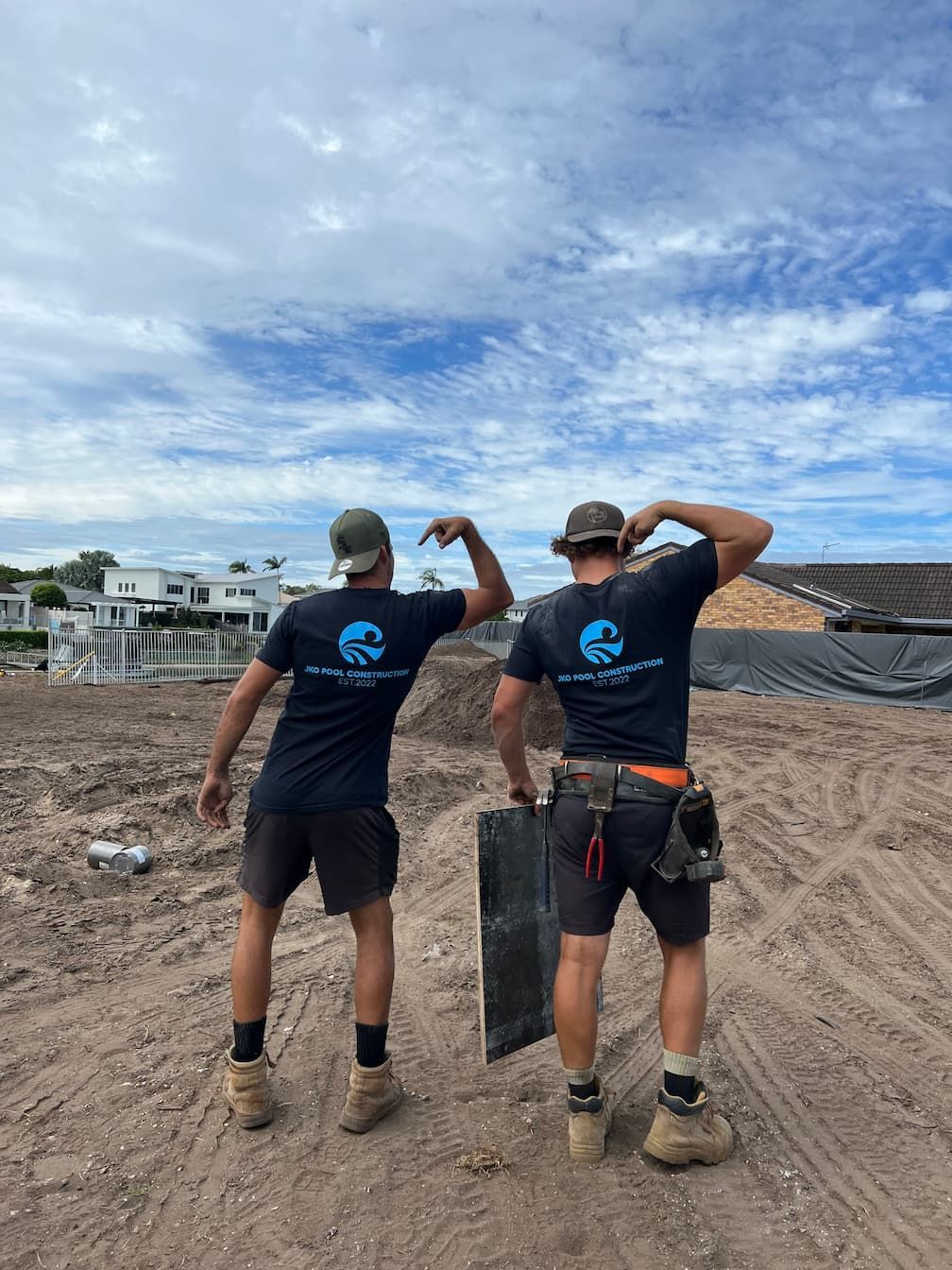
Written By Blake & Josh
With a combined 16 years of hands-on experience, we pride ourselves on delivering pools built to the highest standard.